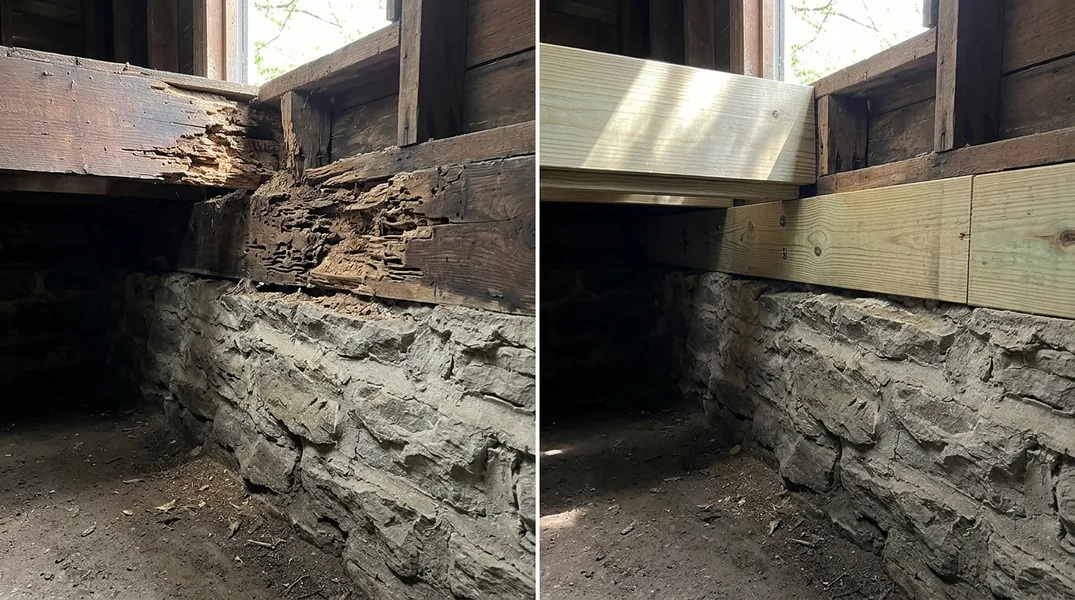
Does Homeowners Insurance Cover Wood Rot and Termite Damage?
One of the most frustrating discoveries a homeowner can make is learning that their insurance policy doesn't cover the damage they assumed was protected. When it comes to wood rot and termite damage, the answer is almost always no. Standard homeowners insurance policies are designed to cover sudden, accidental damage caused by events outside your control, like storms or fires. However, wood rot and termite infestations are considered preventable through proper home maintenance, which means insurers typically classify them as maintenance issues rather than insurable losses.
The distinction matters significantly for Rockford homeowners. Wood rot develops gradually over time due to moisture exposure, poor ventilation, or lack of maintenance. Termites similarly require ongoing conditions to thrive, such as wood-to-soil contact or untreated lumber. Because these problems could theoretically be prevented or caught early with diligent homeownership, insurance companies decline claims related to them. This leaves homeowners responsible for the full cost of Wood Rot & Dry Rot Repair and Termite Damage Repair out of pocket.
Understanding Your Policy: What's Actually Covered
Before you assume your homeowners insurance won't help, it's worth understanding the nuances of your specific policy. While direct wood rot or termite damage isn't covered, some related damage might be. For example, if a covered peril like a storm causes a roof leak that subsequently leads to wood rot, the initial storm damage may be covered, though the resulting rot repair typically falls on you. Similarly, if a fire damages wood that was already compromised by termites, the fire damage coverage applies, but not the termite-related portion.
Another important consideration is secondary damage. If termites or wood rot compromise a structural element and that leads to a covered event (such as a ceiling collapse from water damage), the insurance company may cover the collapse itself, though not the underlying pest or rot issue. It's crucial to review your policy documents carefully or speak with your insurance agent about what's included. Many homeowners in Loves Park and surrounding areas are surprised to learn their policies have specific exclusions for pest damage and wood deterioration. Understanding these exclusions before damage occurs allows you to plan for repairs and potentially pursue preventive maintenance.
Ice Dam Damage Insurance in Illinois: A Different Story
Unlike wood rot and termite damage, ice dam damage in Illinois presents a more complex insurance picture. Ice dams form when snow melts on a roof, refreezes at the eaves, and creates a barrier that traps water behind it. This water can leak into your attic, walls, and ceilings, causing significant water damage. The question of whether this is covered depends on the specific cause and your policy language.
Many standard homeowners insurance policies cover water damage resulting from ice dams, especially if the damage is sudden and accidental. However, some insurers exclude damage caused by poor maintenance, such as inadequate attic insulation or clogged gutters that contributed to the dam formation. In Illinois, weather-related ice dam damage is generally more likely to be covered than wood rot or termites, but you'll still need to document the damage and report it promptly to your insurer. If you're dealing with ice dam damage in Machesney Park or Belvidere, contact your insurance company immediately and take photos of the damage before attempting any cleanup or repairs.
What You Should Do If You Discover Wood Rot or Termite Damage
If you've discovered wood rot or termite damage in your home, the first step is to stop hoping your insurance will cover it and start planning for repairs. Contact a qualified local carpenter or pest control specialist to assess the extent of the damage. They can provide a detailed report that documents the problem, which you should then submit to your insurance company anyway. Even though the damage itself likely won't be covered, having professional documentation creates a paper trail and may help if secondary damage occurs that is insurable.
Next, get free estimate from a reputable repair company. The cost of addressing wood rot or termite damage varies widely depending on the severity and location of the damage. If structural elements like Floor Joist & Subfloor Repair or Beam Replacement & Load-Bearing Wall Removal are involved, costs can escalate quickly. Delaying repairs only allows the damage to spread, which will increase your eventual repair bill. Rockford Carpentry specializes in identifying and repairing both wood rot and termite damage, and our team can provide transparent pricing so you know exactly what to expect before work begins.
Preventing Future Damage: The Best Insurance Policy
Since your homeowners insurance won't cover wood rot or termite damage, prevention is truly your best strategy. Regular home maintenance is the most cost-effective way to avoid these problems altogether. Keep gutters clean and ensure downspouts direct water away from your foundation. Maintain proper attic ventilation to prevent moisture buildup that leads to wood rot. Inspect your crawl space regularly for signs of moisture, wood-to-soil contact, or termite activity. Seal cracks in your foundation and exterior walls, and treat any exposed wood with appropriate finishes or treatments.
For homeowners in Rockford, the humid summers and cold, snowy winters create ideal conditions for both wood rot and termite problems. Scheduling annual professional inspections can catch these issues early, when repairs are less invasive and costly. Many pest control companies offer regular monitoring services, and some carpenters provide maintenance consultations. The small investment in prevention pales in comparison to the cost of repairing extensive structural damage. If you're uncertain about your home's current condition, reach out to Rockford Carpentry at (815) 706-6970 to discuss your concerns and learn what preventive steps make sense for your property.
Filing a Claim: Know When It Might Apply
Although standard wood rot and termite damage claims are typically denied, there are scenarios where you should still file a claim. If your damage resulted from a covered peril (like a storm that caused a roof leak leading to rot), document everything and submit a claim. Insurance companies sometimes cover secondary damage or may have specific policy provisions you're unaware of. Having a professional assessment in writing strengthens your claim, regardless of the outcome.
When filing any claim related to structural or water damage, be thorough and honest. Provide photos, professional inspection reports, and a detailed timeline of when you discovered the damage. If your claim is denied, ask the insurance company for a written explanation citing the specific policy language that excludes your situation. You have the right to appeal or seek a second opinion. Whether your claim is approved or not, the next step is addressing the damage itself. Rockford Carpentry has helped numerous homeowners navigate the aftermath of wood rot and termite discovery, and we're here to help restore your home's structural integrity. Call us at (815) 706-6970 or visit our website to schedule your assessment today.
Looking for a professional carpentry contractor in Rockford? Rockford Carpentry responds fast for all your carpentry needs.
Get a Free QuoteOur services: Wood Rot & Dry Rot Repair · Termite Damage Repair · Floor Joist & Subfloor Repair